




The voice of healthy aging for changing paradigms and changing lives: a tribute to Dr. Enrique Vega García

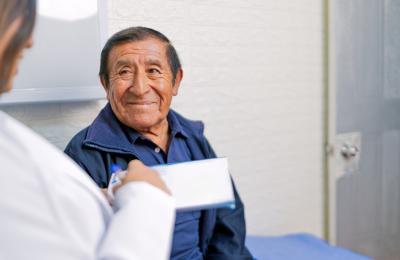
[EXTRACT]. This editorial is a tribute to the extraordinary legacy of Dr. Enrique Vega García, a dedicated advocate for public health and a leader in research, practice and training in geriatrics and healthy aging across the Americas. As Chief of the Healthy Life Course Unit at the Pan American Health Organization (PAHO), Dr. Vega García played a central role in shaping discussions and advancing policies on healthy aging and health systems through a life-course approach. His passing leaves a significant absence in the global health community.

Digital transformation of vital statistics in Mexico: the case of the birth certificate

Civil registration and vital statistics (CRVS) systems are essential to guarantee the right to identity. They also generate key information for the planning and evaluation of health and social policies. This article aims to document the efforts made in Mexico to modernize and link vital statistics and the Civil Registry through innovative digital strategies, highlighting the implementation of the electronic birth certificate. Using a case study methodology, this special report describes the implementation of the electronic birth certificate and its regulatory and operational evolution.

Advancing the implementation of evidence-based substance use prevention in Latin America: the Evidencia Viva program registry

Evidence-based program registries (EBPRs) are essential tools in prevention science, providing structured evaluations of intervention effectiveness to guide policymakers and practitioners. While established registries such as Blueprints for Healthy Youth Development and Xchange have been instrumental in cataloging evidence-based programs, Latin America has lacked a region-specific repository tailored to its unique prevention challenges.

Integrating Pan American Health Organization guidelines on violence against women into the university curriculum of health professionals in Latin America

Objective

Evaluate the feasibility of integrating the guidelines of the Pan American Health Organization (PAHO) on violence against women into the university curriculum of health personnel in Latin America by identifying barriers, facilitators, and opportunities. 

Temporal trends in vaccine hesitancy among Caribbean health workers: analysis of 2021 and 2024 surveys

Objective

Although the benefits of vaccination are well established, a minority of health workers (HWs) are vaccine hesitant. Understanding vaccine hesitancy among HWs is crucial for providing them the information and skills they need to promote vaccine acceptance and informed decision-making among the populations they serve. This study aimed to evaluate differences in vaccine hesitancy and attitudes towards vaccines among HWs in the Caribbean between 2021 and 2024. 

Regulatory landscape for pediatric hematology– oncology nursing in Brazil: document analysis of policies and regulations

Objective

To analyze Brazil’s national policies and regulations related to pediatric hematology–oncology nursing in Brazil and identify key areas for improvement. 

Methods

Using the READ approach, relevant policies and regulations were systematically examined. The method consists of four phases: readying materials, extracting data, analyzing data, and distilling findings. Qualitative analysis used both inductive and deductive approaches to identify themes. 

Latest articles