






Realistic evaluation mechanisms in primary health care interventions in rural and marginal urban populations
Objective
Identify mechanisms reported in primary health care (PHC) interventions in rural and marginal urban populations from 1997 to 2019.
Determine the temporal and spatial structure of the severe acute respiratory syndrome virus (SARSCoV-2) that causes coronavirus disease (COVID-19), in the cities of Cartagena and Barranquilla, Colombia, in order to take necessary actions to support contact tracing.
To describe the editorial processing time of published COVID-19 research articles and compare this with a similar topic, human influenza, and analyze the number of publications, withdrawals, and retractions.
A descriptive-analytical study using PubMed on research articles with the MeSH terms human influenza and COVID-19. Time to acceptance (from submission to acceptance) and time to publication (from acceptance to publication) were compared. Retractions and withdrawals were reviewed both qualitatively and quantitatively.
The objective of this article is to report the results of the first survey on obstetric violence in Chile, to bring to light a reality more common than we think, and to compare its occurrence by the type of service (public or private) where the birth was attended.
This is a descriptive and cross-sectional study conducted from December 2019 to May 2020. The sample was composed of 2 105 women from all regions of Chile.
Assess the impact of interventions introduced in Costa Rica during 2020 and 2021 to control the COVID-19 pandemic.
A Bayesian Poisson regression model was used, incorporating control or intervention measures as independent variables in the changes in reported case numbers per epidemiological week.
To establish whether there was any difference in disease stage in patients with screening-detected colorectal cancer (CRC) in a Caribbean country.
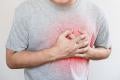
Cardiovascular disease (CVD) is the leading cause of death in the Americas, and high blood pressure accounts for over 50% of CVD. Unfortunately, in the Americas, over a quarter of adult women and four in ten adult men have hypertension, and the diagnosis, treatment, and control are suboptimal. Remarkably, only a few countries exhibit a population hypertension control rate of over 50%.
To describe the relation between corruption indicators and statistics on noncommunicable diseases and their risk factors by continent.
An ecological study was conducted to examine the relation of the GINI coefficient, the Country Policy and Institutional Assessment (CPIA), and the Corruption Perception Index (CPI) with noncommunicable diseases, using the Spearman’s rank correlation test.
To evaluate molecular tools to detect low-level parasitemia and the five species of Plasmodium that infect humans for use in control and elimination programs, and in reference laboratories.
HEARTS in the Americas is the regional adaptation of the World Health Organization’s Global Hearts Initiative, which will be the model for risk management for cardiovascular disease (CVD) in primary health care in the Region of the Americas by 2025. It has already been implemented in 21 countries and 1045 primary health care centers throughout Latin America and the Caribbean. It takes a public health and health systems approach to systematically introduce simplified interventions at the primary health care level and focuses on hypertension as a clinical entry point.